
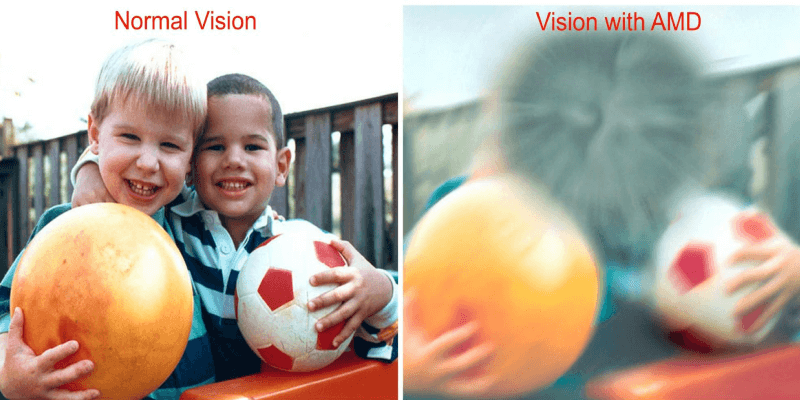
Age-Related Macular Degeneration (AMD) is a common eye condition that affects millions of people worldwide, especially as they grow older. Understanding AMD, its causes, symptoms, and available treatment options is essential for early diagnosis and effective management. In this blog post, we’ll delve into the details of AMD to shed light on this condition and how it can be addressed.
What is Age-Related Macular Degeneration (AMD)? AMD is a degenerative eye disease that primarily affects the macula, the central part of the retina responsible for sharp, central vision. It is a progressive condition that can lead to severe vision impairment, making it difficult to read, drive, or recognize faces. There are two main types of AMD:
- Dry AMD: This is the more common form of AMD, accounting for about 80-90% of cases. It occurs when the cells of the macula break down over time, leading to a gradual loss of central vision.
- Wet AMD: Although less common, wet AMD is more severe. It results from the growth of abnormal blood vessels under the macula, which can leak blood and fluid, causing rapid vision loss.
Causes of AMD: While the exact cause of AMD is not fully understood, several risk factors increase the likelihood of developing this condition:
- Age: AMD is more prevalent in individuals over 50, with the risk increasing as one gets older.
- Genetics: Family history can play a significant role in AMD risk.
- Smoking: Smoking is a modifiable risk factor that increases the likelihood of AMD.
- Nutrition: A diet rich in antioxidants, vitamins, and minerals may reduce the risk of AMD.
Symptoms of AMD: AMD often progresses slowly, and symptoms may not be noticeable in the early stages. However, as the condition advances, individuals may experience:
- Blurred or distorted central vision.
- Difficulty reading or recognizing faces.
- Straight lines appearing wavy.
- Dark or empty spots in the central vision.
Treatment Options for AMD: Early detection and intervention are crucial for managing AMD effectively. Treatment options vary depending on the type and stage of AMD:
- Dry AMD: While there is no cure for dry AMD, lifestyle modifications such as a healthy diet, quitting smoking, and the use of vitamin supplements (e.g., AREDS formula) can slow its progression.
- Wet AMD: Wet AMD can be treated with medications known as anti-VEGF injections, which help prevent abnormal blood vessel growth and leakage. Photodynamic therapy and laser therapy are also options in certain cases.
Conclusion: Age-Related Macular Degeneration is a sight-threatening condition that can impact an individual’s quality of life. Early diagnosis and appropriate management are essential to slow its progression and preserve vision. Regular eye exams, especially for those over 50 or with risk factors, are key to detecting AMD in its early stages. If you or a loved one is concerned about AMD, consult with an ophthalmologist to discuss personalized treatment and lifestyle strategies to protect your vision.
At Eye Care Consultants, we specialize in diagnosing and treating AMD, tailoring our approach to your specific needs. Contact us today to schedule an appointment and take the first step toward preserving your precious vision.