
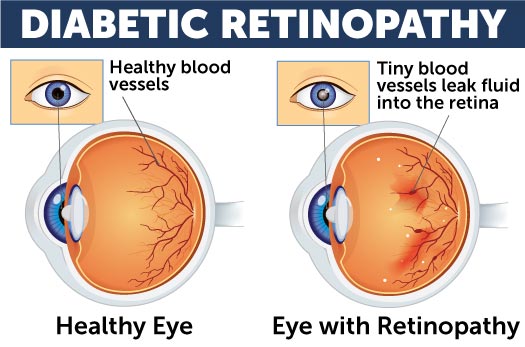
Diabetic Eye Disease is a serious complication of diabetes that can threaten your vision if left unmanaged. As a dedicated consultant ophthalmologist, we are committed to providing valuable insights into this condition, including its causes, symptoms, prevention strategies, and advanced treatment options. Our goal is to empower you with knowledge and ensure the best possible care for your eyes.
What is Diabetic Eye Disease? Diabetic Eye Disease refers to a group of eye conditions that can affect individuals with diabetes. These conditions include Diabetic Retinopathy, Diabetic Macular Edema (DME), and cataracts, all of which can lead to vision impairment or blindness if not addressed promptly.
Causes of Diabetic Eye Disease: The primary cause of diabetic eye disease is prolonged high blood sugar levels, which can damage the blood vessels in the retina and other parts of the eye. Key factors contributing to its development include:
- Type 1 or Type 2 Diabetes: Individuals with either type of diabetes are at risk for diabetic eye disease.
- Poor Blood Sugar Control: Consistently high blood sugar levels increase the risk and severity of eye complications.
- Hypertension (High Blood Pressure): High blood pressure can exacerbate eye problems in people with diabetes.
- Smoking: Smoking is a significant modifiable risk factor for diabetic eye disease.
Symptoms of Diabetic Eye Disease: In the early stages, diabetic eye disease may not cause noticeable symptoms. However, as it progresses, you may experience:
- Blurred or fluctuating vision.
- Spots or floaters in your vision.
- Dark or empty areas in your visual field.
- Difficulty with color perception.
- Vision changes that may come and go.
Prevention and Management: Prevention and early intervention are crucial for managing diabetic eye disease. Here are some key steps to protect your vision:
- Regular Eye Exams: Schedule annual comprehensive eye exams to detect and monitor diabetic eye disease.
- Blood Sugar Control: Maintain good blood sugar control through diet, exercise, and medications as prescribed by your healthcare provider.
- Blood Pressure Management: Control high blood pressure to reduce the risk of eye complications.
- Lifestyle Changes: Quit smoking, adopt a healthy diet, and engage in regular physical activity.
- Medications and Treatments: Depending on the stage and severity of diabetic eye disease, treatment options may include intravitreal injections, laser therapy, or surgical interventions.
Conclusion: Diabetic Eye Disease is a serious condition that requires proactive management to preserve your vision. If you have diabetes or suspect you may be at risk, do not wait to seek professional eye care. At [Your Ophthalmology Practice Name], we specialize in diagnosing and treating diabetic eye disease, offering personalized care to protect your eyesight. Take control of your eye health—schedule an appointment with us today. Together, we can navigate diabetic eye disease and ensure a brighter future for your vision.