
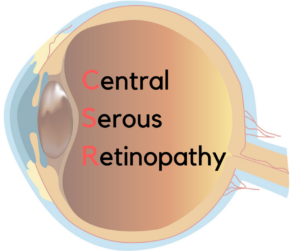
Central Serous Retinopathy (CSR) is a relatively uncommon yet impactful eye condition that demands attention and expert care. As a leading consultant ophthalmologist, we are committed to providing comprehensive information about CSR, including its causes, symptoms, diagnosis, and the available treatment options. Our mission is to empower you with knowledge and guide you towards effective management of this condition.
What is Central Serous Retinopathy (CSR)? CSR is an eye disorder characterized by the accumulation of fluid under the retina, specifically in the central area known as the macula. This accumulation of fluid can lead to distorted vision and central visual loss. CSR can develop suddenly and often affects one eye, although it can occur in both.
Causes of CSR: The precise cause of CSR is not always clear, but it has been linked to several potential risk factors:
- Stress: High levels of stress, both acute and chronic, have been associated with the onset or exacerbation of CSR.
- Corticosteroid Use: Some cases of CSR have been linked to the use of corticosteroid medications, whether oral or topical.
- Male Gender: CSR is more commonly diagnosed in men than in women.
- Type A Personality: Individuals with Type A personalities, characterized by competitive and highly driven behaviors, may be at greater risk.
Symptoms of CSR: The hallmark symptom of CSR is blurred or distorted central vision. Other potential symptoms include:
- Diminished color perception.
- Objects appearing smaller than they are.
- A dark spot or central blind spot in your vision.
Diagnosis and Treatment: Diagnosing CSR typically involves a thorough eye examination, including optical coherence tomography (OCT) and fluorescein angiography. If CSR is confirmed, various treatment options may be considered:
- Observation: In some cases, CSR may resolve on its own without intervention. Regular monitoring is essential to ensure the condition stabilizes or improves.
- Laser Therapy: Laser photocoagulation may be used to target and seal the leaking blood vessels that contribute to fluid accumulation in the macula.
- Photodynamic Therapy (PDT): PDT involves the use of a light-activated medication to selectively treat abnormal blood vessels and reduce fluid leakage.
- Lifestyle Modifications: Stress management strategies and lifestyle changes, such as reducing caffeine and alcohol intake, may help prevent CSR recurrence.
Conclusion: Central Serous Retinopathy may present challenges to your vision, but with early diagnosis and appropriate treatment, significant improvement is possible. If you suspect you have CSR or experience any related symptoms, consult with a professional ophthalmologist promptly. At Eye Care Consultants, we specialize in diagnosing and treating CSR, offering personalized care tailored to your unique needs. Regain clarity amidst the clouds—schedule an appointment with us today, and let’s navigate CSR together towards a brighter vision.