
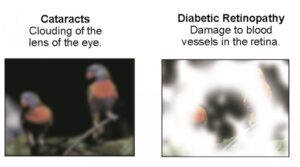
Cataracts with co-existing retinal pathology present unique challenges to your vision, but there is hope for clarity and improved eyesight. As a dedicated consultant ophthalmologist, we are committed to providing you with comprehensive information about this condition, including its causes, symptoms, diagnosis, and the advanced treatment options available to restore your visual health.
Understanding Cataracts with Co-Existing Retinal Pathology: Cataracts are a common age-related eye condition that results in the clouding of the eye’s natural lens, leading to vision impairment. When cataracts occur alongside retinal pathologies like Age-Related Macular Degeneration (AMD) or Diabetic Retinopathy, the visual challenges can become more complex.
Causes and Associations: Cataracts can develop in individuals with or without retinal pathologies, but several factors may increase the likelihood of their co-existence:
- Age: Both cataracts and retinal pathologies are more prevalent in older individuals.
- Diabetes: People with diabetes are at a higher risk of both cataracts and Diabetic Retinopathy.
- Genetics: A family history of either condition can increase the likelihood of their co-occurrence.
- Smoking and Lifestyle Factors: Modifiable risk factors like smoking and unhealthy lifestyles can contribute to the development of both cataracts and retinal pathologies.
Symptoms and Impact on Vision: The symptoms of cataracts with co-existing retinal pathology can vary based on the severity of both conditions. Common symptoms may include:
- Blurred or hazy vision.
- Distorted or wavy vision, especially in AMD cases.
- Difficulty seeing in low light conditions.
- Reduced central vision, potentially worsened by both conditions.
Diagnosis and Treatment Options: Diagnosing and managing cataracts with co-existing retinal pathology requires specialized care and tailored treatment plans. Key steps include:
- Comprehensive Eye Examinations: Our ophthalmologists conduct thorough eye exams, including retinal assessments and cataract evaluations.
- Personalized Treatment Plans: Treatment options may involve addressing retinal pathology first through treatments like anti-VEGF injections or laser therapy, followed by cataract surgery once retinal conditions stabilize.
- Advanced Surgical Techniques: Cataract surgery is carefully planned and performed, often utilizing premium intraocular lenses (IOLs) to optimize vision after surgery.
- Collaborative Care: We work closely with retinal specialists to coordinate treatment for both conditions, ensuring the best possible outcomes.
Conclusion: Cataracts with co-existing retinal pathology may seem daunting, but there are effective strategies and treatments available to improve your vision and overall quality of life. If you suspect you have these conditions or experience related symptoms, seeking professional care is vital. At Eye Care Consultants, we specialize in diagnosing and managing complex cases, offering personalized care tailored to your unique needs. Regain your clarity of vision—schedule an appointment with us today, and let’s work together towards brighter, healthier eyes.